Google Update in February 2026
Published: 16.02.2026
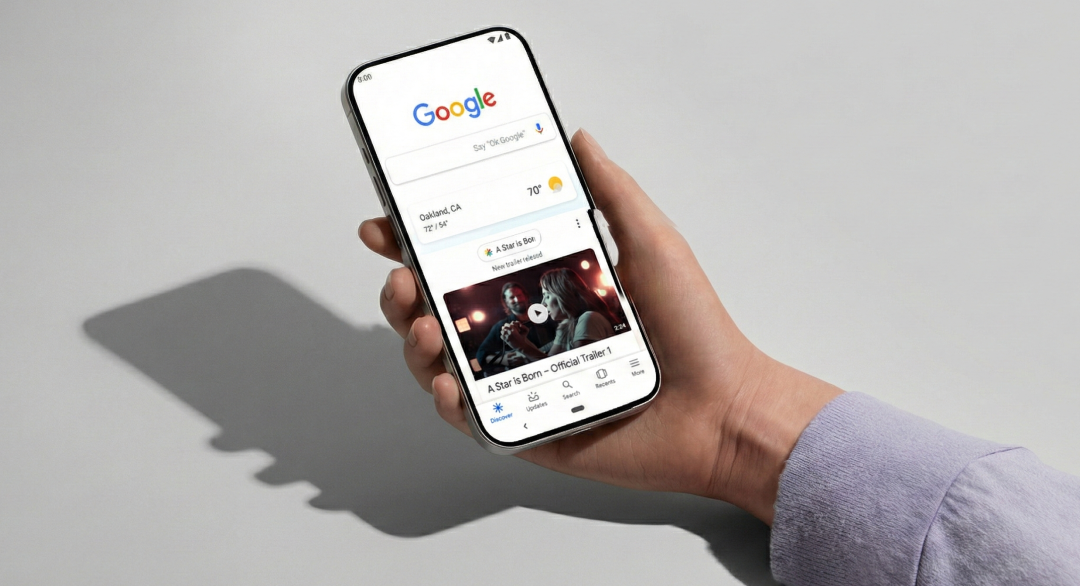
In February 2026, a Google update took place that could significantly change the approach to working with content-driven traffic. For the first time, the company released a core update aimed exclusively at Google Discover — the recommendation feed on mobile devices and in the Google app, where users see content without entering a search query. This means Discover is no longer just an additional bonus of strong SEO performance and is becoming a separate channel with its own quality algorithms. For affiliates, such an update is a direct signal to reconsider their content strategy and traffic sources.
Why This Google Update Became Historic for Discover
- Why This Google Update Became Historic for Discover
- Local Relevance as a Key Factor
- Fighting Clickbait Within the Google Discover Update
- Topic-Based Expertise as the Foundation
- How the Changes the Nature of Discover Traffic
- What Affiliates Should Do After the Google Update
- The Strategic Importance of the Google Update in 2026
Previous changes in Discover were usually the result of broader search algorithm updates. The current Google update separates Discover from traditional Search for the first time and effectively recognizes it as an independent product with its own quality criteria. This means that strong positions in organic search results no longer guarantee stable visibility in the recommendation feed. Affiliates will need to take into account that different Google products (Search, Discover, News, and AI overviews) are increasingly operating as independent ecosystems with distinct ranking signals.
Local Relevance as a Key Factor
One of the most significant changes is the strengthened geographic relevance of content. Following this Google update, the platform is beginning to show users more content from websites based in their own country. For international affiliate projects, this may result in a gradual decline in Discover traffic from other markets, particularly the United States. After the global rollout, the same logic will apply in every country, making reliance on a single region increasingly risky. In this context, the Google update reinforces the trend toward traffic diversification and the development of a stronger local presence.
Fighting Clickbait Within the Google Discover Update
Another important direction of change is the systematic fight against sensational content presentation. For a long time, Discover rewarded emotional headlines, exaggeration, and intrigue, which encouraged the creation of materials focused primarily on clicks. The new Google update demonstrates a different approach: content that promises more than it delivers, relies on shock factors, or creates artificial urgency will receive reduced visibility. This will be especially noticeable in niches such as finance, health, and technology, where such headlines previously generated high conversions. In this way, the Google update signals a shift toward prioritizing long-term content quality over immediate clickability.
Topic-Based Expertise as the Foundation
The most profound change is tied to the thematic evaluation of expertise. Following this Google update, the system is increasingly analyzing not the overall authority of a domain. The depth of coverage within a specific topic, the consistency of publications, the originality of materials, and their real value to the reader. Websites with shallow content across many niches may lose visibility, while narrowly focused resources with strong, systematic expertise are more likely to gain an advantage. This once again confirms that E-E-A-T principles are becoming a practical ranking factor rather than merely a recommendation.
E-E-A-T is an acronym from Google’s content quality evaluation guidelines. Experience refers to real, hands-on experience and indicates whether the author has practical involvement in the topic they are writing about. Expertise describes the level of knowledge the author or website has within a specific subject area. Authoritativeness reflects the reputation of the author, brand, or website within the industry, including mentions, links, and overall recognition. Trustworthiness relates to reliability and credibility, showing whether the content is accurate, safe, and deserving of user trust.
How the Changes the Nature of Discover Traffic
The key characteristic of Discover is that the user does not enter a search query. Instead it receives content based on their interests. This type of traffic can be warmer in terms of engagement, yet significantly less stable. Interests shift quickly, the feed is constantly refreshed, and visibility can rise sharply and disappear just as fast. After this Google update, the decisive factors become expertise, originality, local relevance, and honest content presentation, while strong SEO alone is no longer sufficient.
What Affiliates Should Do After the Google Update
First and foremost, it is important to analyze your own Discover traffic in Google Search Console and understand what share of total visits it generates. If this channel is significant, a diversification strategy should be prepared to gradually reduce dependence on a single traffic source. The Google update also reinforces the need to invest in content depth, build topical clusters, create analytical materials, and develop genuine expertise. Special attention should be given to headlines. It must accurately reflect the substance of the content rather than merely provoke emotion. At the same time, it is essential to develop alternative audience acquisition channels.
The Strategic Importance of the Google Update in 2026
The February Google Discover update is not just a technical algorithm change. It is a signal of a new era in content marketing. Google is increasingly separating its products by quality signals, and a universal SEO strategy no longer exists. Publishers who build genuine expertise, create original content, and earn audience trust will gain the advantage. These are the factors that will determine visibility in Discover after the update rollout is fully completed.
Register with SalesDoubler and choose high-quality affiliate programs. Test, analyze, and earn.

SalesDoubler.pro content manager